
Learning to Grow Cannabis
This guide is being written with the intent of being a starting point for anybody brand new to growing looking for reliable information you can trust. An overview of all the different styles and choices to consider when beginning your journey. Many factors influence your end product so it is important to be well informed if your end goal is to grow and harvest a beautiful product.
There are three different mediums used most commonly for growing, each having their own perks and advantages as well as flaws. For the sake of keeping this guide simple and useful we will be focusing on growing in soil which is the most forgiving and beginner friendly way to produce great results and have plenty of room for error. Always remember that with each new grow your confidence and knowledge will increase and your results will improve. Patience is sometimes the most important factor when it comes to having a stellar grow, you can’t rush perfection!
Genetics
By far the single most important choice you can make when it comes to growing top shelf buds, is hunting for premium genetics. People often mistake the price tag of seeds or popular clones as an indicator of quality.
Truth is, doing some research on what you are interested in and who is providing it is worth its weight in gold. There are many under represented breeders that do high quality work out there producing genetics that are top notch for a fair price.
You always want to make sure that the seeds you are looking for come from a reputable trusted source. That way you can guarantee that what you receive is what you were after in the first place! There are many companies out there that are not above using a famous name to sell seeds they don’t even know what will grow out of them.
There are three main types of seeds you will stumble across in your journey. Photoperiod, Autoflower and Fast Photos, which all have their own versions of feminized and regular seeds. Most people typically end up looking for feminized seeds so they don’t have to worry about culling males when growing as they know all their offspring should be female.
Photoperiod seeds are the standard and most common seeds you’ll run across and what that means is that it requires certain intervals of light to activate and begin flowering. Which is 12 hours of uninterrupted darkness commonly referred to as the 12/12 light cycle. Photoperiods will continue to be in a vegetative state until this happens, allowing for some monster sized plants if desired. Typical light cycles for a photoperiod are usually 18/6, 20/4 or 24/0 for the seedling stage and vegetative growth and 12/12 being the light cycle for flowering when they get “flipped” to flower to finish.
Autoflower seeds are different in this regard, and do not require any specific light changes to induce flowering, meaning you could run them with lights on 24/7 and they will still finish within their own life cycle. Typically being much faster than photoperiods with a life span of anywhere from 60-100+ days depending on genetics. The main drawback to autoflowers is also its main benefit, while the speed will let you fit in more harvests they typically do not handle mistakes well or recover fast due to them being on a fixed timeline of their life cycle. This can result in stunted plants, not often having enough time to bounce back before flowering and finishing well below their potential. The reverse is also true in the sense that if you make no mistakes and knock it out of the park, you can have a high quality product very quickly.

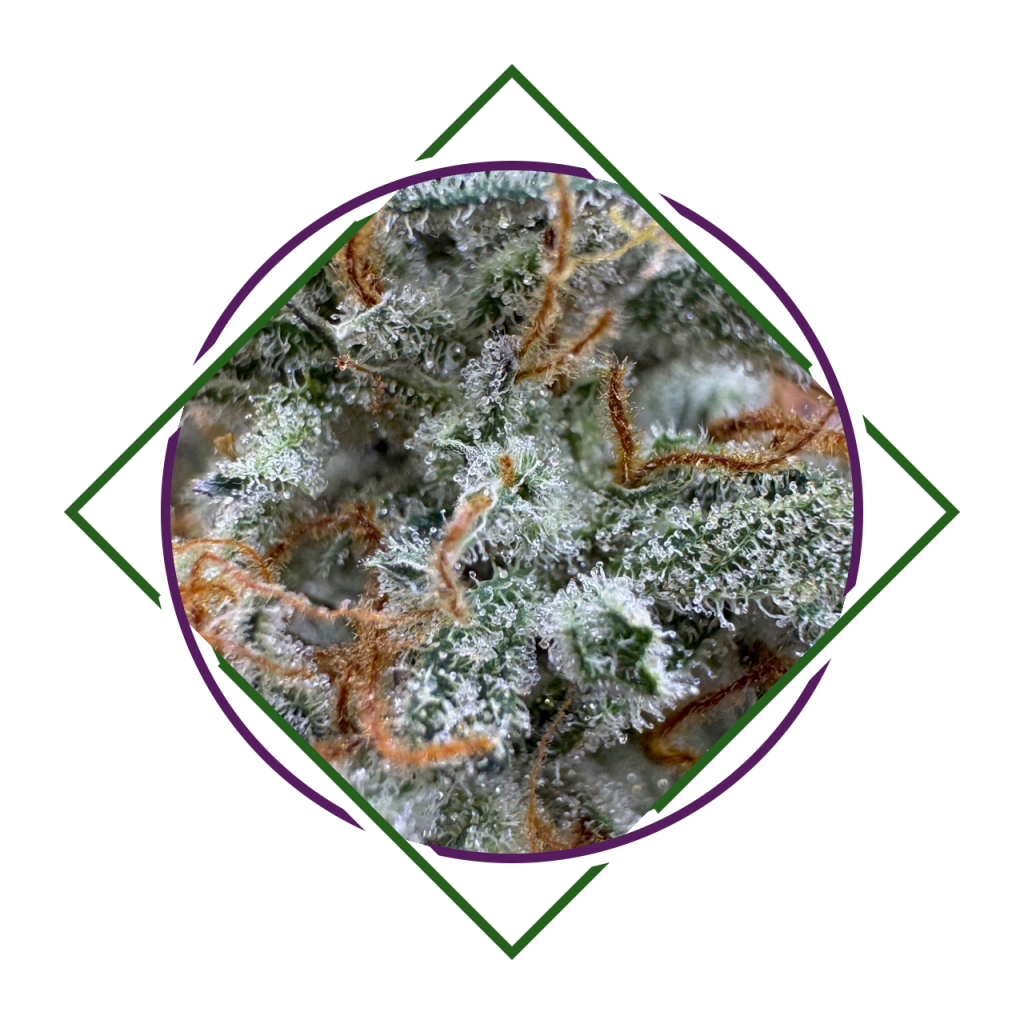
Growing Mediums
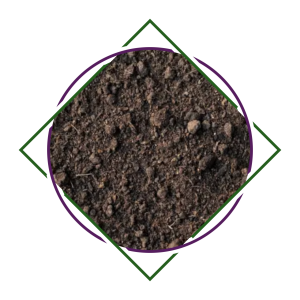
Soil
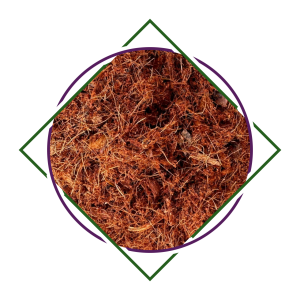
Coconut Coir
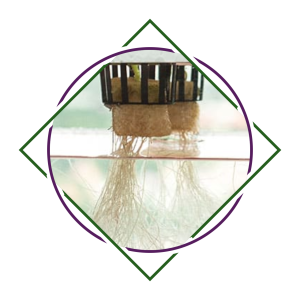
Hydroponics
In this guide we will be focusing on soil, as it is the most forgiving medium and it is applicable to both indoor and outdoor growing. There are many soils available for gardening and specifically for cannabis cultivation already but its important to know what you are looking for. Keep an eye out for the way the soil is cared for and stored before it ends up in your possession, as improper care can be more likely to contain pests.
Lots of people typically pick up two sets of soil, with one being for seedlings and another to transplant a more established plant into that has plenty of food. This is usually standard practice when growing from seed, clones typically start more established and by the time they root can be much heartier than a new seedling from sprout.
What to look for in a proper soil
- Drainage – Without this you can overwater very easily
- Nutrient Blend – You want enough to handle the seedling stage, and early veg
- Ideally Loamy Black Gold – Typical for most bagged soils
All of these factors together will play a role in the success of your plant from start to finish. There are many practices when it comes to soil, lots of people recycle their own soil and add amendments such as compost or other additives to breathe life back into the soil after it gets depleted of nutrients.